View our terms and conditions for use of our web site and our privacy policy. Visit Electric Scotland's Aois Community, our social networking site. Find our contact information and learn more about us. The Home Page of Electric Scotland ES Common Header Bar
This is where you'll find a comprehensive resource on Scottish accommodations. Electric Scotland's Article Service where you can both read articles and post your own. Beth's Newfangled Family Tree is a monthly publication giving genealogy advice as well as what's hapening on the Scottish Scene around the world. This is where you'll find around 300 books on Scottish history that we've published on the site. Our pages where you'll find books and articles about Robert Burns and his work. Gives you some information on the business scene in Scotland. This is where you can view Scottish events around the world and add your own. Learn about the history of Clans and Families of Scotland and the Scots-Irish. The personal site of Alastair McIntyre where he's posted his own mini biography as well as his travel journals. 5 volumes worth of biographies relating to Significant Scots. A weekly newsletter about the political scene in Scotland from the Scots Independent Newspaper. Lots of Scottish recipes along with contributions from our visitors. Play our collection of online games. 6 volume Gazetter on the place names of Scotland. This is our page for trying to give you advice on Genealogy. A FAQ where you go to get answers to frequently asked questions. Information and pictures about Historic places in Scotland such as castles and other properties. Main index page for our very large history section. Children resources including over 800 children's stories and lots of online and offline games. A bit of a catch-all page where you find loads of pages about music, haggis, scots language, culture, religion, humor and lots more. Our nature page where you can explore information on Scottish Wildlife, Plants, Flowers and lots more. Our weekly newsletters archive. Thousands of pictures of Scotland for you to enjoy. Loads of poetry and stories for you to enjoy with many contributions from visitors to our site. Our very own Webcard program which you can use to send online postcard to friends and relatives. Huge resources about the Scots Diaspora around the world and here is where you can find this information. A continually building information resource on the Scots-Irish who emigrated to Ulster and then onto many parts of the world, especially the USA. Create your own family tree with our special software. You can also import and export gedcom files. Our web-based scottish search engine which is a free resource for Scottish companies as well as Scottish organisations around the world. Current Scottish News headlines and links to Scottish news resources. A range of services, both big and small, that we currently offer. Our Tartan pages, giving you access to information on Tartans as well as tartan search engines. Sponsored by House of Tartan. Our travel section where we have loads of suggested tours of Scotland as well as old historic travel books. A wee collection of videos some of which we've produced ourselves. Learn about the last 100 pages we've added to our site which is updated daily.

Click here to get a Printer Friendly Page
 

Send Flowers

Significant Scots
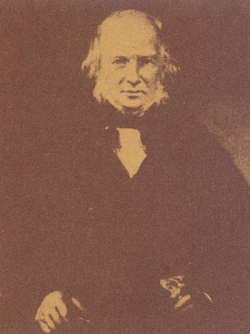
James Young


James YoungJames Young, son of a Glasgow joiner, was the founding father of the modern oil industry. Beginning in 1851 he established refineries in the Lothians processing cannel-coal and oil-shale years before the first American or Middle Eastern oil well was drilled. By means of his great powers of invention and considerable commercial acumen he became a very wealthy man. The shale-oil industry that Young established had a life of just over one hundred years and ceased only in 1962, but its successors operating now on crude oil from home waters and abroad, still flourish worldwide.

As a youth James Young had to struggle hard for his education, eventually gaining distinction in chemistry at the evening classes of the Andersonian University (now Strathclyde University) where many distinguished Scots had given or attended lectures. While there he met and befriended the famous explorer David Livingstone. This relationship was to endure until Livingstone’s death in Africa many years after.

After a brief spell lecturing in chemistry in London, Young became manager of a chemical works near Manchester, in the course of which he developed many new patents and processes connected with dye stuffs. While there he became interested in oil, and established a little business refining a natural oil seepage in a Derbyshire Colliery.

That was the beginning. As the seepage gradually dried up, Young cast around for other sources of oil and he found what he wanted in a special coal from Bathgate in West Lothian. This coal, Torbanite by name, gave a remarkable yield of crude oil when distilled in simple apparatus. Young quickly patented the process, and established the first truly commercial oil-works in the world at Bathgate in 1851. His fortune was quickly made selling paraffin oil, lubricants for all kinds of industries, wax, naptha and even fertilisers. When the reserves of Torbanite eventually gave out he moved on to oil-shale which was near at hand, abundant and cheap but not so rich in oil as Torbanite. With the expiry of Young’s patent in 1864 the Scottish shale oil boom began and the rapid emergence of an industry that was to last for 100 years.

Young’s Paraffin Light and Mineral Oil Company Limited continued to grow and expanded its operations, selling paraffin oil and paraffin lamps all over the world and earning for its founder the affectionate nickname ‘Paraffin’ Young.

The success of the native mineral oil industry was due to the fact that up till that time illuminating oils, lubricants and waxes were largely drawn from animal and vegetable sources, expensive, in short supply and often of poor quality. On the other hand mineral oil was cheaper, better for most purposes and abundant. In addition demand was growing rapidly under the impetus of the Industrial Revolution as hundreds of thousands of new consumers came on to the market. Even the development of overseas competition from natural oil in America, Russia and the Far East did not succeed in extinguishing the Scottish industry for more than a century, though times were often very hard. Advanced Scottish oil technology together with the brilliance of our engineers and businessmen ensured survival right up until 1962 when the last of the shale works was finally abandoned and the first chapter in the history of the modern oil industry closed.


Return to our Significant Scots page